
Following our recent poll, it’s clear there are mixed views on where gas absorption heat pumps (GAHPs) fit within the decarbonisation journey.
At the same time, many retrofit projects are facing a challenge that is becoming increasingly difficult to ignore: limited electrical capacity.
Across a growing number of sites, we are seeing projects delayed or stalled due to:
• Limited available electrical infrastructure
• High grid upgrade costs
• Long lead times for utility upgrades
In these situations, electrification is not always immediately achievable.
This is where gas absorption heat pumps can offer a practical step forward.
Unlike conventional boilers, GAHPs do not simply burn gas for heat generation. They use gas to drive a thermodynamic process that also captures renewable heat energy from the air.
The result can include:
• Equivalent efficiencies exceeding 120 to 170%
• Reduced gas consumption compared to traditional boilers
• Immediate carbon reduction without major electrical upgrades
Monitored systems have also demonstrated average efficiencies of around 113%, placing them well above even high-performing condensing boilers in many operating conditions.
Electric heat pumps remain the long-term direction for decarbonisation, and where sites can support them, they should absolutely be considered.
However, the reality is that not every building is currently ready for full electrification.
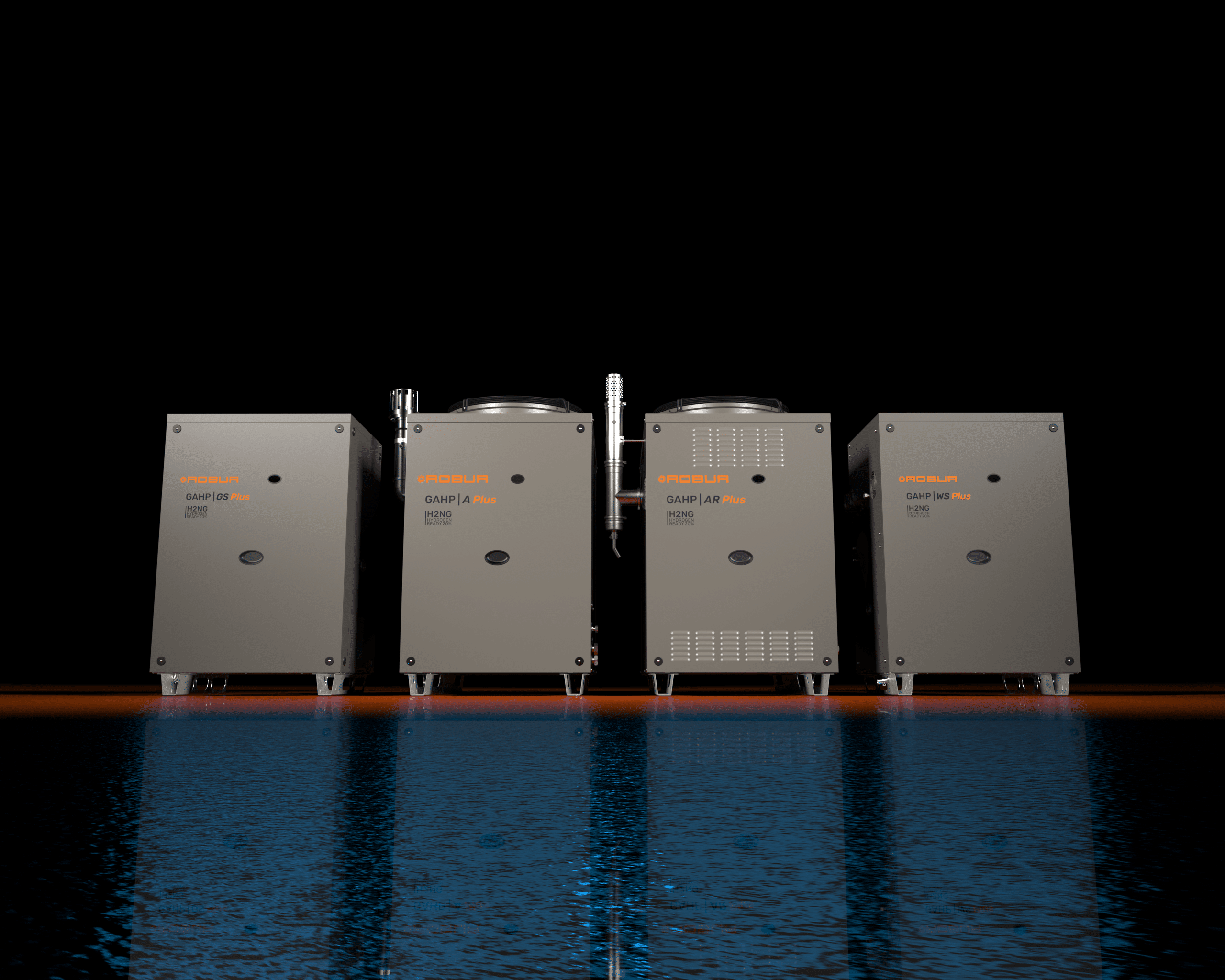
At Pure Thermal, we are seeing ROBUR S.p.A. GAHP systems used as a practical solution for electrically constrained sites. Not as a replacement for electrification, but as a way to keep carbon reduction projects progressing now rather than waiting years for infrastructure upgrades.
The real discussion is no longer gas versus electric.
It is about finding realistic ways to reduce carbon emissions within the conditions projects are actually facing today.